
Grief & Loss
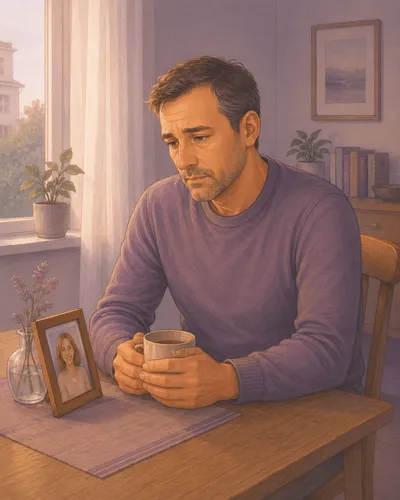
It is inevitable that different life phases bring losses and that we are left without dear people. Whether expected or not, and whenever they come, it is normal for them to cause sadness and pain, which under certain circumstances can prolong and spiral out of control, threatening our overall functioning.
Losses do not only mean the death of people in our surroundings. They can also come in the form of pet deaths, abandonment by partners and other people, loss of certain physical or other abilities, job loss, and other situations where we are left without someone or something that was an important part of our life.
Grief is a natural reaction and must be expressed in a certain way. In such situations, we need a safe environment for mourning and expressing emotions — and that is what we offer.
Losses can significantly shake our understanding of the world and people, our values and awareness of our own position. Psychotherapy can help you give meaning to that situation and to redefine and reorganize your life in accordance with your wishes and needs.
Questions & Answers
How long does it take to recover from the loss of a loved one?
This depends on many factors — our relationship with the person we lost, but also our ability to function without them. It is perfectly fine to always remember and cherish the memory of a loved one, and to sometimes cry. However, if grief is interfering with daily functioning and has been going on for months or years, it is advisable to seek help in overcoming that state.
What stages does a person go through after divorce?
Divorce or a breakup also represents a kind of loss, especially for the person who was left. The grieving process after divorce involves three phases: a phase of denial or somatization (which may be accompanied by various outbursts), a phase of depression or anger (often complicated by custody battles or property division), and a third phase in which the person accepts reality and manages to move forward. As long as the former partner is seen as an enemy and there is preoccupation with them, the emotional divorce has not truly ended. These processes are extremely difficult and require a great deal of adjustment, making psychotherapy highly valuable.
Contact us for a free consultation